
Holding Negligent Owners Accountable
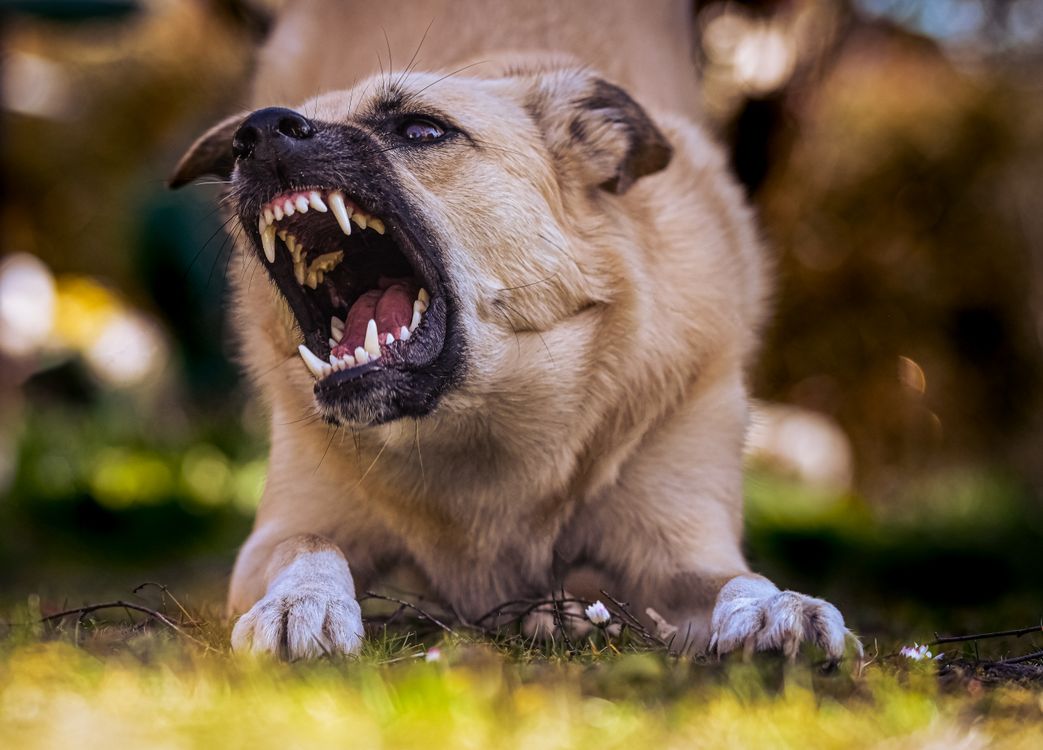
Dog bite injuries can be far more serious than many people realize. Deep puncture wounds, torn tissue, nerve damage, bone fractures, and severe infections are common consequences — and the emotional trauma, particularly for children, can last long after physical wounds heal. In Texas, dog owners have a legal responsibility to control their animals and prevent them from harming others.
Attorney John Ghezzi represents dog bite victims across Montgomery County and surrounding areas. He understands the physical, emotional, and financial toll these injuries take, and he works to ensure victims receive full compensation for their losses.
Texas follows a “one bite” rule combined with general negligence principles. A dog owner may be held liable if they knew or should have known the dog had dangerous tendencies, or if the attack resulted from the owner’s failure to use reasonable care to control the animal. Evidence of prior aggressive behavior, lack of restraint, violations of local leash laws, and the circumstances of the attack are all relevant factors.
If a dog hurt you in Magnolia or anywhere in Montgomery County, the first legal question is easy to ask and harder to answer: is the owner responsible? Texas does not make an owner automatically liable for every bite. Instead, Texas law gives an injured person two main paths, and a claim can rely on one or both.
The name can be confusing. The rule does not give every dog a free first bite. It asks whether the owner knew, or had reason to know, that the dog was dangerous. A prior bite is one way to show that. Other warning signs can count too, such as a dog that lunged or snapped at people, complaints from neighbors, earlier threatening encounters, or warning signs the owner posted.
A claim does not always depend on a history of aggression. Under ordinary negligence principles, the question is whether the owner used reasonable care to control the dog, and whether a failure to do so caused your injury. An unlatched gate, a dog allowed to roam, or a dog off its leash where local rules require restraint can all be relevant.
Owners may raise defenses, such as trespassing or provocation. Those turn on the exact facts, so it matters what happened in the moments before the bite. For a closer look at both paths and the evidence behind them, read our article on is a dog owner liable for a bite in Texas. When an attack happens on someone else’s property, the questions can overlap with premises liability claims in Magnolia.
As a dog bite lawyer in Magnolia with over 30 years of trial experience, attorney John Ghezzi looks at both routes from the start, so no useful evidence is overlooked.
A dog bite can look small at first and still cause real harm. A dog’s teeth can press deep into the skin and the tissue underneath, leaving puncture wounds that are hard to clean. Bites can also tear skin, damage nerves and, in some cases, break bones.
Infection is a serious concern. Puncture wounds can trap bacteria below the surface, so a bite that seems fine on the first day can become red, swollen or painful later. That is one reason to get medical care right away, even for a bite that looks minor, and to follow every treatment instruction you receive.
Healing can take time. Some wounds leave scars, especially on the face, hands and arms. When scarring is significant or tissue was lost, a doctor may recommend reconstructive or plastic surgery, sometimes in more than one stage.
The effects are not only physical. Many people, children especially, feel anxious around dogs after an attack, and some benefit from counseling. Keep records of every visit, bill and prescription, and photograph your wounds as they heal. Those records help show the full impact of the bite, including future care your doctor expects you to need.
Victims of dog bites may recover compensation for medical treatment (including reconstructive surgery), scarring and disfigurement, pain and suffering, emotional distress and psychological counseling, lost wages, and in some cases, punitive damages if the owner’s conduct was particularly reckless.
With over 30 years of trial experience, Attorney John Ghezzi has a proven track record of securing favorable case results for injured clients across Montgomery County. Learn more about our firm or read what past clients say on our testimonials page.
After you get medical care, report the bite to animal control. Depending on where the bite happened, the report may go to a city office or a county office. If you are not sure which one to contact, your medical provider or local law enforcement can help point you in the right direction.
A report matters for two reasons. First, it protects your health, because it lets the authorities identify the dog and check on it after the bite. Second, it creates an official record made close to the time of the attack, showing the date, the place, the dog and its owner. Animal control files can also show whether the same dog was reported before, which may help prove what the owner knew.
Ask for a copy of the report or a report number, and keep it with your medical records and photos.
Children are often hurt more seriously in dog attacks, and bites to the face and neck are a particular worry. A parent or legal guardian can bring a claim on a child’s behalf. If the owner argues the child provoked the dog, the child’s age and understanding matter, and children are generally held to a lower standard of awareness than adults.
Texas also gives minors extra time. The filing deadline for a child’s own injury claim may be extended until two years after the child turns 18. Even so, some claims tied to a child’s injury may not get that extra time, and evidence fades, so it is wise to call early. You can reach attorney John Ghezzi directly at (281) 259-4993.
Three decades of Texas courtroom experience fighting for injury victims across Montgomery County.
You work directly with Attorney Ghezzi from day one — never a case manager or call center.
Deep familiarity with Montgomery County courts, judges, and local legal procedures gives you a strategic edge.
Free consultation and zero attorney fees unless we recover compensation for you. No risk to get started.
Bilingual legal services for Spanish-speaking clients and their families throughout Montgomery County.
Every case gets the dedicated, compassionate attention it deserves. Your recovery is our priority.

WRITTEN BY
Attorney John Ghezzi has over 30 years of trial experience representing injured Texans. He is a member of the Million Dollar Advocates Forum and Multi-Million Dollar Advocates Forum. View full bio
COMMON QUESTIONS
Texas follows a 'one bite' rule combined with negligence principles. A dog owner can be held liable if they knew or should have known their dog was dangerous, or if they failed to use reasonable care to control the animal. You do not necessarily need to prove the dog has bitten someone before to have a valid claim.
Seek medical attention immediately to treat the wound and prevent infection. Try to identify the dog and its owner, and document your injuries with photographs. Report the bite to Montgomery County Animal Control and then consult with The Ghezzi Law Firm to understand your legal options.
Dog bite victims may recover compensation for medical bills, reconstructive surgery costs, lost wages, pain and suffering, and emotional distress. If the bite results in permanent scarring or disfigurement, additional damages may be available. Children who suffer dog bites often receive higher compensation due to the lasting physical and emotional impact.
Yes, parents or legal guardians can file a claim on behalf of a minor child who has been bitten by a dog. Children are particularly vulnerable to serious dog bite injuries, especially to the face and neck. While a dog owner may raise provocation as a defense, Texas courts consider the child’s age and understanding, and children are generally held to a lower standard of awareness than adults, and homeowner's insurance often covers these claims.
In many cases, the dog owner's homeowner's or renter's insurance policy covers dog bite injuries. These policies typically include liability coverage that can pay for medical bills and other damages. Attorney Ghezzi can help identify applicable insurance coverage and negotiate with the insurance company on your behalf.
The statute of limitations for a dog bite personal injury claim in Texas is two years from the date of the bite. For minor children, the deadline may be extended until two years after they turn 18. Acting quickly helps preserve evidence and strengthens your case.
No. Texas does not have a strict liability statute for dog bites. Instead, the victim must show that the owner knew or should have known the dog was dangerous, or that the owner was negligent in controlling the animal. Evidence of prior aggression, lack of restraint, or violations of leash ordinances can establish liability.
Even without a prior bite history, an owner can be held liable under negligence theory if they failed to use reasonable care. For example, if the dog was off-leash in violation of local ordinances, or if the owner knew the dog had aggressive tendencies even without a prior bite.
Yes. Report the bite to local animal control and seek medical attention immediately. Documentation from animal control and medical providers will be important evidence in your claim. Texas law also requires a 10-day quarantine observation for the animal.
Yes, as long as you were lawfully present on the property (e.g., as an invited guest, a delivery person, or a mail carrier). Trespassers generally have more limited rights, but even in those cases, liability may exist under certain circumstances.
Many people hesitate to act for this reason. In many cases, the dog owner's homeowner's or renter's insurance policy covers dog bite injuries, and that coverage can help pay for medical bills and other losses. Attorney John Ghezzi can talk through your situation in a free consultation and explain your options.
It can. Leash and restraint rules can differ from one city to the next and in unincorporated areas, and the location affects which office takes the report. John Ghezzi works from his office in Magnolia and represents people in Magnolia, Conroe, The Woodlands, Willis, Tomball and communities throughout Montgomery County. Call (281) 259-4993 to talk with him.
Contact The Ghezzi Law Firm today for a free, no-obligation consultation. We’re here to help you understand your legal options.