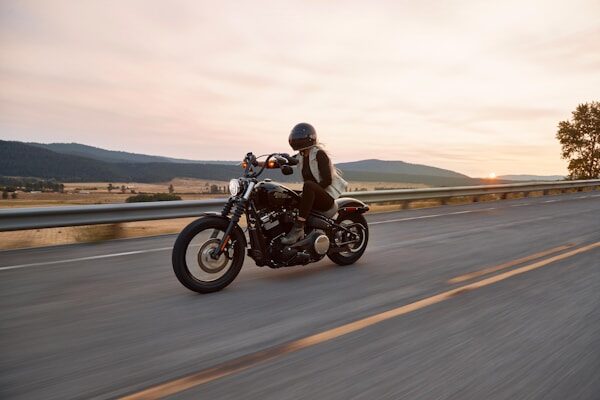
Motorcycle riders are at a higher risk of serious accidents and injuries due to lack of protective barriers. Even when they are injured due to another’s fault, the stereotypes of motorcyclists as thrill-seekers may work against them. The negligent driver may say the rider was speeding. A witness may assume the motorcycle was taking risks.
An insurance adjuster may start asking questions about rider fault before the evidence has been examined. John Ghezzi is an experienced Magnolia motorcycle accident lawyer who understands that a rider’s claim must be evaluated from the facts, not perceptions and biases.
John handles motorcycle accident claims in Magnolia and Montgomery County personally. That means the attorney evaluating the collision is the attorney you speak with at every stage of the case. Magnolia personal injury attorney John Ghezzi examines all possible evidence to determine how the crash occurred and who was responsible. Schedule a free consultation with John today.
■
Motorcycle riders can encounter a particular kind of bias after a collision. A driver may say, “I never saw him.” A witness who saw only the final moments may assume the motorcycle was moving too quickly. An insurance adjuster may focus immediately on whether the rider was reckless rather than first examining what the other driver did.
The police report can also reflect the driver’s account when the rider is being transported for medical treatment and cannot provide a statement at the scene. That does not make the driver’s version the final word on what happened.
Evidence can tell a different story. Photographs of the roadway and vehicles may show the positions and paths of the vehicles. Damage geometry can help explain the direction and location of the impact. Sight line analysis can examine whether a driver had an opportunity to see the motorcycle before turning or changing lanes.
Independent witnesses can provide information that neither driver can supply. Traffic signals, roadway markings, surveillance footage and physical evidence may also help establish what occurred. When the collision is complicated, crash reconstruction may be appropriate to analyze vehicle movement, speed, timing and impact sequence.
Choose a skilled motorcycle accident attorney Montgomery County as soon as possible because the investigation should begin with the evidence, and not presumptions. A rider must not be treated as liable simply because the vehicle involved was a motorbike.
■
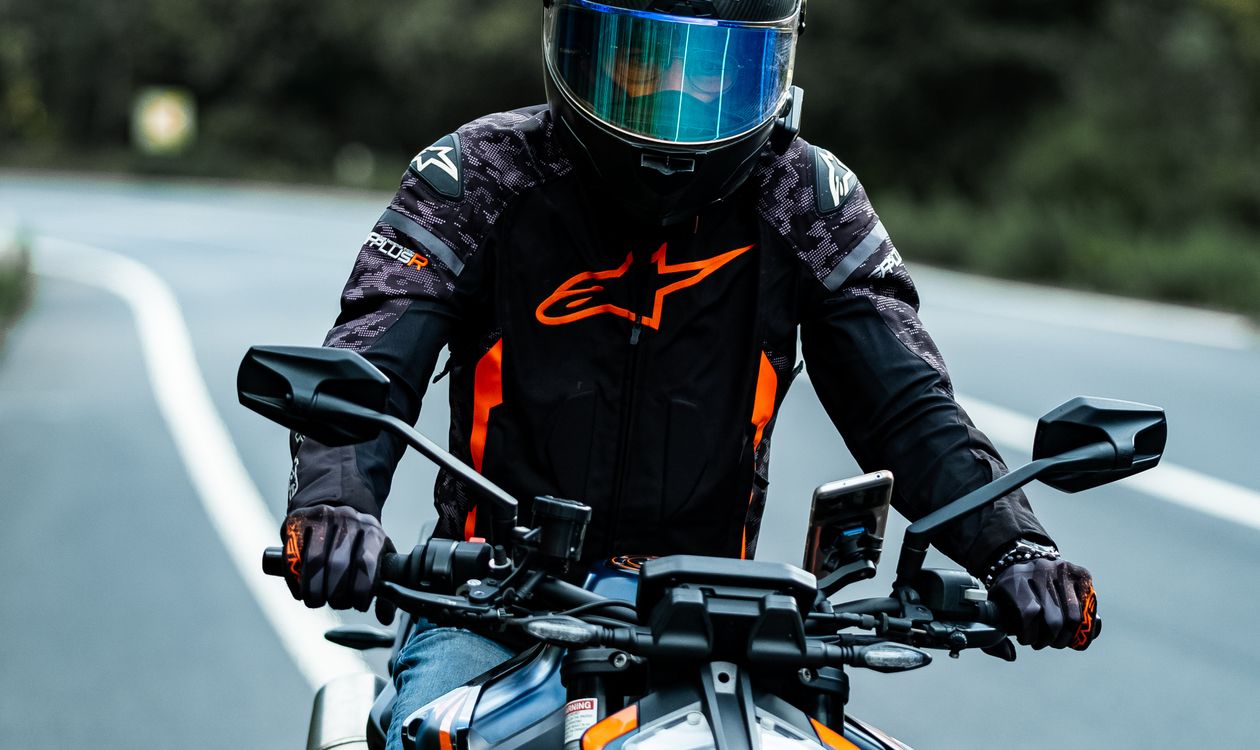
Experienced Magnolia motorcycle accident lawyers recognize the real causes behind motorbike crashes in most cases.
■
A motorcycle does not surround its rider with a passenger compartment, seat belt, airbags or the structural protection found in a passenger vehicle. When a crash occurs, the rider may be thrown from the motorcycle or strike another vehicle, the roadway or a fixed object, resulting in catastrophic injuries.
Injuries in a motorcycle crash can include traumatic brain injury, even when a rider was wearing a helmet. A collision can also cause fractures that require surgical fixation, including hardware to stabilize damaged bones. Road rash can involve deep tissue damage and, in severe cases, require skin grafting or other treatment.
A traumatic brain injury can be life-threatening or significantly reduce the victim’s quality of life. Orthopedic injuries can affect mobility, strength and the ability to work long after the initial treatment. A spinal injury or paralysis can create permanent limitations and the need for continuing care.
The nature of the injuries can raise the financial stakes in motorcycle accident claims because severe injuries or a fatal crash may require substantial compensation. Medical records, photographs, treatment history and evidence concerning the rider’s condition before and after the collision may all become important.
John Ghezzi handles catastrophic injury and traumatic brain injury claims, including cases involving permanent disability and long-term medical needs. The legal analysis should account for the actual consequences of the rider’s injuries rather than assumptions about motorcycles or the people who ride them.
■
Texas Transportation Code Section 661.003 sets out the helmet requirement for motorcycle riders and the exception.
Texas law generally requires a motorcycle operator or passenger on a public street or highway to wear protective headgear that meets state safety standards. There is an exception when the person required to wear headgear is at least 21 years old and, at the time of the offense, has successfully completed a qualifying motorcycle operator training and safety course or is covered by a health insurance plan providing medical benefits for injuries incurred in a motorcycle collision.
The helmet question is separate from the question of who caused the collision. A rider’s failure to wear a helmet does not automatically establish that the rider caused the crash. Texas proportionate responsibility law requires responsibility to be determined based on each person’s conduct that caused or contributed to cause the harm. A claimant whose percentage of responsibility is greater than 50 percent cannot recover damages under Section 33.001.
Texas Supreme Court precedent also recognizes that proportionate responsibility can involve conduct contributing to the injuries themselves, not merely conduct that caused the initial collision. That means helmet use may become relevant when there is evidence connecting the absence of a helmet to particular injuries. It does not automatically resolve the issue of liability or establish that a rider caused the crash.
The medical evidence matters. The relevant question can include whether the injuries attributed to the absence of head protection were actually caused or made more severe by that circumstance. The applicable facts, medical evidence and proportionate responsibility rules should be evaluated together.
■
A motorcycle accident claim may involve several categories of losses arising from the collision and its consequences. The nature of the injuries, time away from work, property damage, and available insurance coverage all affect what may be considered.
The available damages and insurance coverage depend on the facts of the collision and the applicable policies. John Ghezzi evaluates the circumstances and evidence to determine which aspects of the claim may apply.
COMMON QUESTIONS
No. A police report is evidence, not a judicial determination of responsibility. An officer may have had limited information at the scene, particularly when the rider was receiving emergency treatment. Photographs, witnesses, physical evidence, video and other information can provide additional facts or contradict an initial account.
Not wearing a helmet does not automatically eliminate a motorcycle injury claim. Texas law contains specific helmet requirements and an exception for certain riders at least 21 years old. Helmet use may become relevant to proportionate responsibility when evidence connects the absence of a helmet to the injuries claimed.
A driver’s statement that a motorcycle was not seen does not by itself establish that the rider was responsible. Depending on the circumstances, failing to see a motorcycle that was reasonably visible can raise questions about the driver’s lookout, lane position, attention and actions before the collision. The roadway evidence and circumstances must be examined. Seasoned Magnolia, TX motorcycle accident attorney John Ghezzi directly handles every case. John’s formidable record of verdicts and settlements speaks for itself. Schedule a free consultation today.

WRITTEN BY
Attorney John Ghezzi has over 30 years of trial experience representing injured Texans. He is a member of the Million Dollar Advocates Forum and Multi-Million Dollar Advocates Forum. View full bio →