Being injured on someone else’s property does not automatically make the property owner legally responsible. Texas premises liability law focuses on the condition that caused the injury, the owner’s relationship to the property, what the owner knew or reasonably should have known, and whether reasonable care was taken to address the danger.
That knowledge requirement can make these cases more difficult than they may initially appear. A wet floor, broken walkway, defective handrail, falling object, or inadequate security condition may support a claim only when the required legal elements can be established.
As a Magnolia premises liability lawyer, John Ghezzi personally evaluates the circumstances surrounding an injury and the evidence available to support it. The firm offers a free consultation to discuss the claim, including what happened, who controlled the property, and whether the facts may establish premises liability under Texas law. Magnolia personal injury lawyer John Ghezzi will personally handle your case.
■
What You Actually Have to Prove
A premises liability claim is not simply a claim that someone was hurt on another person’s property. For an invitee, Texas law generally requires proof concerning the owner’s knowledge of a dangerous condition, the unreasonable risk created by that condition, reasonable care, and causation. The Supreme Court of Texas has repeatedly recognized these requirements.
The Property and the Condition
The person or entity being sued must have the relevant right to control the premises. The condition must pose an unreasonable risk of harm under the circumstances. Not every defect, inconvenience, or ordinary condition meets that standard. Texas courts have held that some common or ordinary conditions are not unreasonably dangerous as a matter of law.
Knowledge of the Danger
Knowledge is a central issue. The owner must have actual knowledge of the dangerous condition or, for an invitee claim, reasonably should have known about it. Actual knowledge means the owner knew the dangerous condition existed. Constructive knowledge can arise when the condition existed long enough that a reasonable inspection would have discovered it.
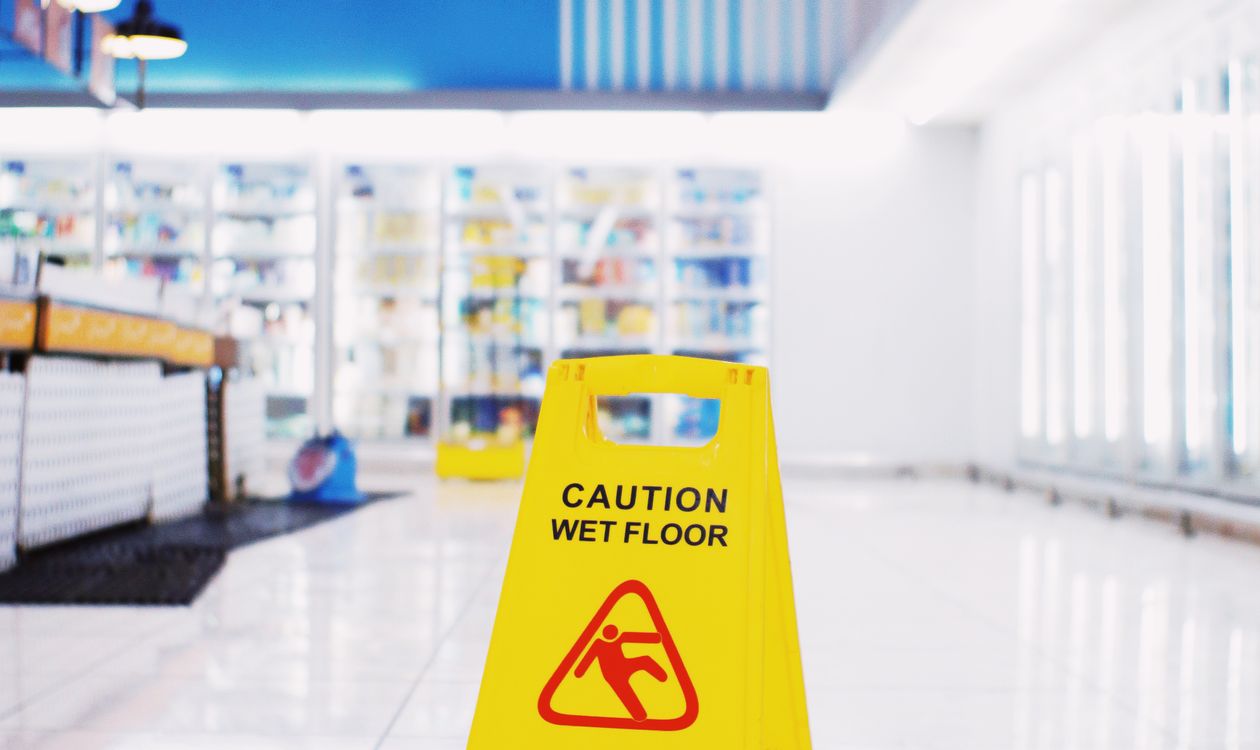
Consider a spill on a store floor. A customer who slips shortly after the spill occurs may have difficulty establishing that the store should have discovered it. If evidence shows the spill remained on the floor long enough that a reasonable inspection should have detected it, constructive knowledge may become an important issue.
Failure to Use Reasonable Care
Once the applicable duty is established, the property owner generally must exercise reasonable care to reduce or eliminate the unreasonable risk. Depending on the circumstances, that can mean making the condition reasonably safe or providing an adequate warning.
The Injury and Causation
The alleged failure must also be a proximate cause of the injury. The evidence therefore must connect the dangerous condition and the owner’s failure to the harm claimed. A premises liability attorney Montgomery County residents consult should examine every element rather than assume that an injury alone establishes liability.
■
Why Your Reason for Being There Matters
Texas does not impose exactly the same duty on a property owner toward every person who enters the property. The injured person’s legal status can affect what must be proven.
Invitees
A customer entering a business open to the public will generally be treated as an invitee when entering for a purpose connected with the business. For an invitee, the premises liability analysis generally concerns whether the owner had actual or constructive knowledge of an unreasonably dangerous condition and failed to exercise reasonable care to protect the invitee.
Licensees
A social guest is generally treated as a licensee. The duty is different. A licensee generally must establish that the owner actually knew about the dangerous condition, that the licensee did not, and that the owner failed to use ordinary care to warn of the condition or make it reasonably safe.
Trespassers
A person who enters property without the owner’s consent generally has a more limited legal relationship with the property owner. Texas law generally does not impose the same premises duty owed to an invitee or licensee. The circumstances surrounding the entry and the owner’s conduct must be examined carefully.
The distinction is important because the same physical condition can present different legal questions depending on why the injured person was on the property and what the owner knew.
■
Common Premises Cases
Premises cases can arise from many different conditions. What a slip and fall case requires is proving facts that establish the key legal elements of duty, dangerous condition, knowledge, failure to use reasonable care, and causation.
- Slip and Fall: A person may slip on water, food, cleaning solution, or another substance on a floor. The critical evidence can include how long the substance was present, whether employees knew about it, whether inspections occurred, and whether a warning was provided.
- Trip and Fall: Damaged flooring, uneven walkways, holes, loose surfaces, or other changes in elevation can create a tripping hazard. Photographs showing the condition and its location can become important evidence.
- Stairs and Handrails: A fall may involve a defective stair, missing or inadequate handrail, damaged step, or other unsafe condition. The condition, applicable safety requirements, inspection history, and notice may all require examination.
- Poor Lighting: Insufficient lighting can make an existing hazard difficult to see. A claim may require evidence concerning the lighting condition, whether the owner knew or should have known about it, and whether the lighting contributed to the injury.
- Falling Merchandise: Products or other objects may fall from shelves, displays, storage areas, or other locations. Evidence can include how the item was stored, whether the arrangement was unstable, and whether employees had reason to know of the danger.
- Swimming Pool Incidents: Pool-related injuries can involve unsafe conditions, inadequate barriers, defective equipment, or other circumstances. The particular duty depends on the property and the injured person’s status.
- Inadequate Security: An assault on property can raise negligent security questions when the circumstances support a duty to address a foreseeable criminal risk. Foreseeability and the property’s circumstances are important parts of that analysis.
Magnolia TX premises liability attorney John Ghezzi moves fast to collect all possible evidence with an aim to prove liability and recover fair compensation for injured victims.
■
Evidence Disappears Fast in These Cases
Evidence in premises cases can change quickly. The condition that caused the injury may be cleaned, repaired, moved, or replaced before its significance is understood. Other evidence may exist only in business records or electronic systems.
Surveillance Footage
Security cameras can capture the condition before an accident, the accident itself, employee activity, inspections, and what happened immediately afterward. Businesses may have retention policies that result in footage being overwritten. Identifying the existence of surveillance and taking appropriate steps to preserve relevant footage can therefore matter early in the case.
Incident Reports
A business may prepare an internal store incident report after an injury. The report can contain information about the location, condition, employees who responded, witnesses, photographs, and the circumstances reported at the time. An injured person should ask whether an incident report was prepared and keep any copy provided.
Inspection and Cleaning Records
Inspection schedules, cleaning logs, maintenance records, repair requests, and similar documents may help establish whether the property was being checked and whether employees had an opportunity to discover a dangerous condition. A record showing when an area was inspected can be significant when constructive knowledge is disputed.
The Condition Itself
The physical condition can change immediately. A spill may be cleaned. A damaged walkway may be repaired. A broken handrail may be replaced. Merchandise may be rearranged. Photographs taken safely and promptly can preserve information that may no longer exist later.
These practical realities are why early attention can matter. The goal is not to assume that evidence proves liability, but to preserve information needed to determine what actually happened.
■
What a Premises Claim Can Cover
The damages available in a premises liability claim depend on the facts and applicable law. A claim may involve reasonable and necessary medical expenses arising from the injury, including appropriate future medical care when supported by the evidence.
A qualifying claim of catastrophic injuries may also involve lost income or diminished earning capacity when the injury affects the person’s ability to work. Physical pain and suffering may be another component of damages when legally recoverable.
The nature and extent of recoverable damages depend on the circumstances of the injury, the evidence, the applicable legal theory, and any defenses or limitations that apply. Premises liability attorney Montgomery County John Ghezzi investigates these issues to evaluate and establish a potential premises liability claim.
■
What to Do if You Were Hurt on Someone’s Property
The steps taken immediately after an accident can help preserve information about what happened. They cannot replace the legal analysis required to determine whether a property owner is responsible.
- Report the Injury: Tell the property owner, manager, employee, or responsible person about the incident. Ask for a written incident report and request a copy if one is available.
- Photograph the Condition: If it is safe, photograph the hazard before it is cleaned, repaired, moved, or removed. Photograph your shoes, the surrounding area, lighting, warning signs, and anything else that helps show the circumstances.
- Identify Witnesses: Get the names and contact information of people who saw the accident or observed the condition beforehand. Employees who responded to the incident may also be important witnesses.
- Get Medical Attention: Seek appropriate medical care after the injury and follow medical instructions. Keep records relating to treatment, restrictions, expenses, and the injury itself.
- Document Warning Signs: Write down whether a warning sign, cone, barrier, notice, or other warning was present. Record where it was located and whether you could see it before encountering the condition.
- Be Careful with Insurers: Do not give a recorded statement to the property’s insurer before obtaining legal advice. A recorded statement can become part of the claim record, so it is important to understand what is being requested before responding.
Choose seasoned Magnolia premises liability lawyer John Ghezzi, who has been representing injured clients for over three decades. His record of settlements and verdicts in these cases is exemplary. John works on a contingency fee basis in most cases, which means you only pay when you win. Schedule a free consultation today.

WRITTEN BY
Attorney John Ghezzi has over 30 years of trial experience representing injured Texans. He is a member of the Million Dollar Advocates Forum and Multi-Million Dollar Advocates Forum. View full bio →