
A product can look ordinary, function as expected, and still cause serious injury when something about its manufacture, design, or warnings is defective. When a person is injured while using a product, the legal question is not simply whether the product failed. The circumstances must show that a defect or other legally actionable condition caused the harm.
Texas product liability law can apply to manufacturers, component manufacturers, distributors, and, in defined circumstances, sellers. As a proven Magnolia product liability lawyer, John Ghezzi personally evaluates individual claims involving people injured or killed by defective products.
With 30+ years of experience and strong investigative skills, Magnolia personal injury lawyer John Ghezzi examines the product, how it was used, available warnings and instructions, the circumstances of the injury, and the parties involved. Schedule a free consultation to evaluate your product injury claim.
■
The Three Ways a Product Can Be Defective
Texas law recognizes different theories under which a defective product can give rise to a product liability action. The distinction matters because the evidence required can change depending on what allegedly made the product unsafe. Chapter 82 of the Texas Civil Practice and Remedies Code specifically addresses products liability claims, including claims based on strict products liability and other legal theories.
Manufacturing Defect
A manufacturing defect generally concerns an individual product that departs from its intended design. The problem is with the particular unit rather than the design shared by properly manufactured products.
For example, imagine a power tool designed with a protective guard that is supposed to be securely attached. If one unit leaves the manufacturing process with the guard improperly attached while correctly manufactured units do not have that problem, the issue may be a manufacturing defect. The evidence must connect the defect to the injury.
Design Defect
A design defect concerns the product as it was designed. The Texas statute requires a claimant alleging a design defect to prove that a safer alternative design existed and that the defective design was a producing cause of the injury, property damage, or death.
A safer alternative design is not simply an idea for making a product different. Texas law requires a design that, in reasonable probability, would have prevented or significantly reduced the risk without substantially impairing the product’s utility. It also must have been economically and technologically feasible when the product left the manufacturer’s or seller’s control based on existing or reasonably achievable scientific knowledge.
Failure to Warn
A product can also present a warning or instruction issue when information necessary to make the product reasonably safe was inadequate. The circumstances can include a known risk that was not adequately communicated to the person using the product.
A product injury claim therefore requires more than showing that an accident occurred. The product, its condition, its design, its warnings, and the circumstances surrounding the injury all have to be examined. A defective product attorney Montgomery County residents consult must determine which theory fits the evidence and what Texas law requires for that particular claim.
■
Who Can Be Held Responsible
Texas defines both manufacturers and sellers under Chapter 82. A manufacturer can include a person or company that designs, formulates, constructs, rebuilds, fabricates, produces, compounds, processes, or assembles a product or component and places it into the stream of commerce. A seller includes a person engaged in distributing or commercially placing a product or component into the stream of commerce.
- Finished Product Manufacturer: The company that manufactured the complete product may be a defendant when the evidence supports a products liability claim.
- Component Manufacturer: A company that manufactured a component may be responsible when that component allegedly contributed to the injury.
- Distributor: A distributor that places the product into the stream of commerce can fall within Texas’s statutory definition of a seller.
- Non-Manufacturing Seller: Texas generally limits liability for a seller that did not manufacture the product. Section 82.003 identifies specific circumstances that can create liability, including participation in the product’s design, altering or modifying the product, certain installation conduct, control over inadequate warnings, certain incorrect representations, actual knowledge of a defect, or circumstances involving an insolvent or jurisdictionally unavailable manufacturer.
Determining who can be named requires examination of the product’s chain of distribution and the conduct of each potentially responsible party. The seller’s involvement cannot simply be assumed from the fact that it sold the product.
■
Products That Commonly Cause Serious Injury Here
Product liability cases can involve products used at work, on the road, or at home. John Ghezzi represents clients not just in workplace and industrial injury claims involving faulty machinery or tools, but also in all other types of product liability claims, whether involving defective vehicle components, household products, or equipment.
- Industrial and Workplace Machinery: Machinery can cause crush injuries, amputations, burns, and other serious harm when a component fails, a machine contains a defective design, or an inadequate warning contributes to the injury. A defective machine can also create a separate product claim alongside a workplace injury claim involving the employer.
- Power Tools: Defective guards, switches, triggers, electrical components, or other features can create serious hazards. The product’s condition and the way it was designed and manufactured require examination.
- Auto Components: A defective tire, airbag, braking component, steering component, or other vehicle part can contribute to a crash or worsen its consequences. Evidence may include the component itself, vehicle records, photographs, maintenance information, and other evidence concerning the failure.
- Household Products: Everyday products can cause serious injuries when a component breaks, a product is improperly designed, or important safety information is missing or inadequate.
Product recalls can provide useful information, but a recall by itself does not establish that a death caused by a product or a person’s injury was caused by a legally actionable defect. The product, injury, and circumstances still must be investigated.
■
Dangerous Drugs and Medical Devices
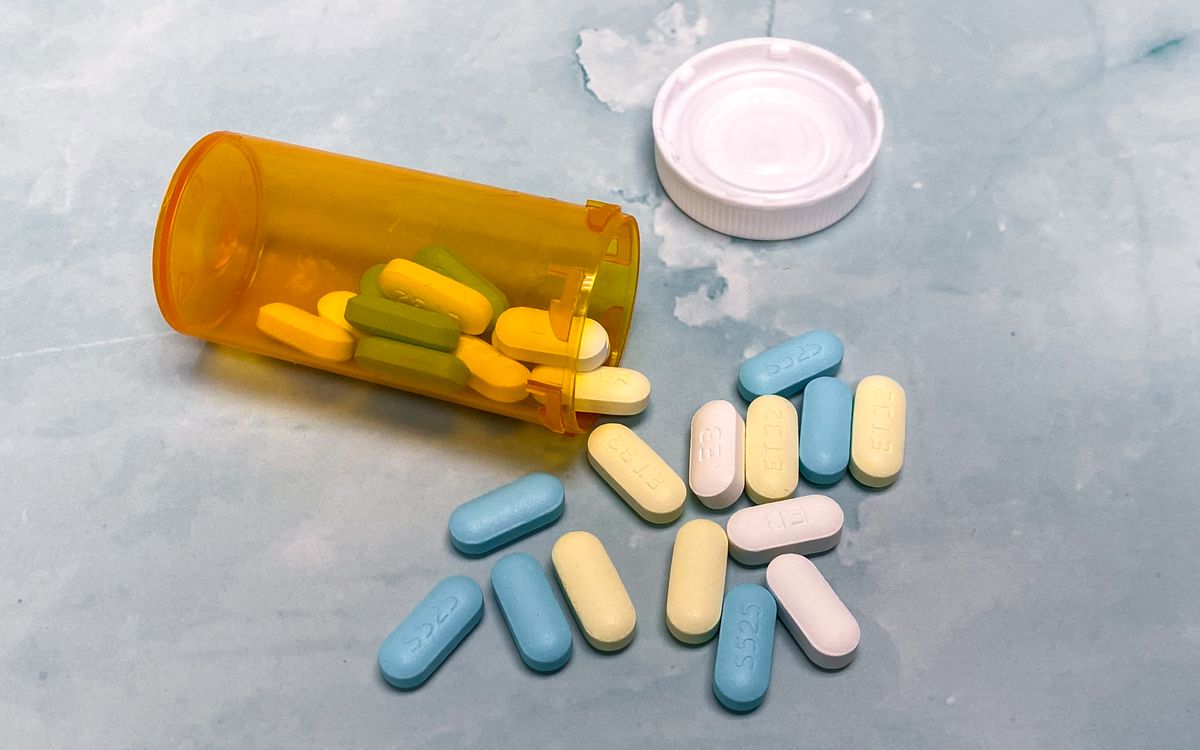
Magnolia product liability attorney John Ghezzi reviews claims involving a person who was injured or a family who lost someone because of an allegedly defective drug or medical device. The evaluation focuses on the particular product, the person’s use of it, the medical records, the alleged defect, and the connection between the product and the injury.
The FDA Presumption for Certain Drug Claims
Texas law creates an important obstacle in pharmaceutical products liability cases involving inadequate warnings or information. Under Section 82.007, there is a rebuttable presumption.
It says that a defendant is not liable for those allegations when the warnings or information accompanying an FDA-approved pharmaceutical product were the warnings or information approved by the United States Food and Drug Administration. The statutory provision also addresses certain pharmaceutical products distributed under FDA monographs.
How the Presumption Can Be Rebutted
Section 82.007 identifies circumstances in which the claimant may rebut the presumption. These include situations involving material information withheld or misrepresented to the FDA, continued sale after an applicable FDA removal or withdrawal order, certain unapproved promotional uses, certain unapproved prescribed uses, and specified conduct that would violate federal bribery law and caused the approved warnings or instructions to be inadequate.
That statutory framework makes individual investigation critical. The question is not merely whether a person was injured after taking a drug. The particular warnings, regulatory history, conduct of the defendant, medical evidence, and alleged causal connection must be examined.
■
What a Product Injury Claim Can Cover
The damages available in an individual product injury claim depend on the facts and applicable legal theories. A claim for catastrophic injuries may involve medical treatment already received and reasonably necessary future medical care related to the injury.
A qualifying claim may also involve lost income or diminished earning capacity when the injury affects the person’s ability to work. Serious product injuries can also result in disfigurement and physical pain and suffering, depending on the circumstances and applicable law.
The nature of the injury, evidence connecting the product to the harm, the parties responsible, and the legal theory pursued all affect what damages may be legally available. Defective product attorney Montgomery County John Ghezzi thoroughly investigates every claim and provides personal representation to clients.
■
What to Do After a Product Injury
The product itself can become important evidence. Do not repair, alter, discard, or otherwise change it unless necessary to address an immediate safety concern.
- Keep the Product: Preserve the product in the condition it was in when the injury occurred. Do not throw it away or allow someone else to modify it.
- Preserve Everything That Came With It: Keep the original packaging, manuals, instructions, warnings, receipts, purchase records, warranty information, and other documents associated with the product.
- Take Photographs: Photograph the product, damaged components, packaging, warning labels, surrounding area, and visible injuries. Preserve photographs showing the product before anything is changed.
- Get Medical Attention: Seek appropriate medical treatment and follow medical instructions. Keep medical records and documentation relating to the injury.
- Do Not Return the Product: A seller or manufacturer may ask that the product be returned for inspection. Do not surrender or ship the product before obtaining legal advice about preserving evidence.
- Document What Happened: Write down how the product was being used, what occurred immediately before the injury, who witnessed it, and what happened afterward.
Get strong and personal legal representation from Magnolia product liability lawyer John Ghezzie to determine whether a defect existed, what caused it, and which parties may have legal responsibility. John will aggressively take on powerful companies and large insurers to pursue fair compensation for you. Schedule a free consultation today.

WRITTEN BY
Attorney John Ghezzi has over 30 years of trial experience representing injured Texans. He is a member of the Million Dollar Advocates Forum and Multi-Million Dollar Advocates Forum. View full bio →