In a Texas rear end collision, the driver who strikes the vehicle ahead is usually the first person investigated for fault, but the rear driver is not automatically legally responsible. Texas requires drivers following another vehicle to maintain an assured clear distance that allows them to stop safely, yet facts involving the front driver can change the analysis. A sudden stop, defective brake lights, an unsafe lane change, reversing, mechanical problems, or a chain reaction can matter. Texas also uses proportionate responsibility when multiple people contributed to an accident. Following an injury in an accident, if you are concerned about who is at fault in a Texas rear end collision, you should consult with a knowledgeable Magnolia car accident lawyer as soon as possible.
Why the Rear Driver Is Usually Presumed at Fault
Safe Following Distance
Texas Transportation Code Section 545.062 requires an operator following another vehicle to maintain an assured clear distance. The distance must account for vehicle speed, traffic, and highway conditions so the following driver can stop safely without colliding with the vehicle ahead. This statutory duty is central to many rear-end collision investigations.
Investigators Look at the Rear Vehicle
A rear-end impact can suggest that the following driver did not leave enough room, was traveling too fast for conditions, or failed to react in time. That does not establish liability by itself. Investigators need to determine what each driver was doing immediately before the impact, whether the front vehicle acted reasonably, and whether another circumstance caused or contributed to the crash.
Other Evidence to Prove Fault
The physical location and direction of damage, vehicle positions, traffic conditions, statements from drivers and witnesses, and available video can all affect the analysis related to presumption of fault. The key question is not simply which vehicle struck the other. It is whether a driver breached a legal duty and whether that conduct caused the collision and resulting injuries.
When the Front Driver Can Share or Carry the Blame
A front driver can contribute to a rear-end collision under circumstances that make the basic rear-driver assumption less persuasive. The facts must be examined rather than treating every rear-end impact as identical.
- Sudden unexplained stop: A driver who stops abruptly without a reasonable traffic or safety-related explanation may contribute to the collision. The circumstances surrounding the stop matter.
- Broken brake lights: Brake lights that were not functioning can make it harder for a following driver to recognize that the vehicle is slowing or stopping. Evidence showing the condition of the lights can be important.
- Reversing: A vehicle moving backward into another vehicle presents a different factual situation from a normal rear-end impact. Video, witness accounts, and damage locations can help establish what happened.
- Cutting in and braking: A driver who enters another vehicle’s lane and brakes immediately may create a collision that cannot be analyzed solely from the point of impact.
- Mechanical failure: A sudden mechanical problem can affect what a driver could reasonably do before the collision. The nature of the failure and maintenance history may matter.
- Chain reaction crash: In a three-vehicle collision, the middle vehicle may be pushed into the vehicle ahead after being struck from behind. Fault may need to be examined across all involved drivers.
These circumstances do not automatically transfer fault to the front driver. They are facts that may affect the allocation of responsibility.
How Texas Splits Fault Between Drivers
Proportionate Responsibility
Texas Civil Practice and Remedies Code Section 33.001 provides that a claimant may not recover damages if the claimant’s percentage of responsibility is greater than 50 percent. Section 33.003 requires the trier of fact to determine the percentage of responsibility for each claimant, defendant, settling person, and responsible third party whose conduct is submitted for consideration.
What Partial Responsibility Means
A person who is 50 percent or less responsible is not barred from recovery solely because of that percentage. Under Section 33.012, the court reduces the amount of damages by the percentage of responsibility assigned to the claimant. The statute therefore does not use an all-or-nothing rule when both sides contributed to the harm.
Factors Affecting Responsibility
In a disputed rear-end case, the percentage assigned to each person depends on the evidence and the conduct found to have contributed to the occurrence. A rear driver can be responsible for following too closely, while a front driver or another motorist can also bear responsibility when the evidence supports it.
The Evidence That Actually Decides It
Police Reports and Witness Statements
A police report can preserve statements, observations, vehicle positions, and other information recorded after the crash. Witness statements can provide an independent account of whether a vehicle stopped suddenly, changed lanes, or was pushed forward.
Photos, Video, and Vehicle Data
Photographs should capture both vehicles, the roadway, traffic controls, and relevant damage. Dash cam footage can show braking, lane movements, and timing that may not be apparent later. An event data recorder may contain information about vehicle operation around the crash, depending on the vehicle and circumstances.
Why the Damage Pattern Matters
Damage can help reconstruct how the vehicles moved and where contact occurred. In a disputed sudden-stop collision, the location, height, direction, and severity of damage on each vehicle may help test competing accounts of the impact.
What to Do if You Are Being Blamed
Do not admit fault at the scene or speculate about responsibility to an insurance adjuster. Get the police report number and photograph both vehicles and the surrounding scene when it is safe to do so. Seek appropriate medical attention for injuries. Preserve dash cam footage and identify witnesses promptly. Before giving a recorded statement to an insurer, consider obtaining legal advice so the statement accurately addresses the facts without unnecessary speculation. Magnolia personal injury attorney John Ghezzi has represented injured clients for 30+ years. You can talk to the attorney directly. He will review the circumstances of your Texas rear-end collision, examine the available evidence, and explain the legal issues that may affect your claim. Every rear-end collision has its own facts, and identifying those facts early can prevent an assumption from becoming the fault analysis. Schedule your free consultation with Ghezzi Law Firm today.
Related: car accident lawyer, personal injury claims, client testimonials.
WRITTEN BY
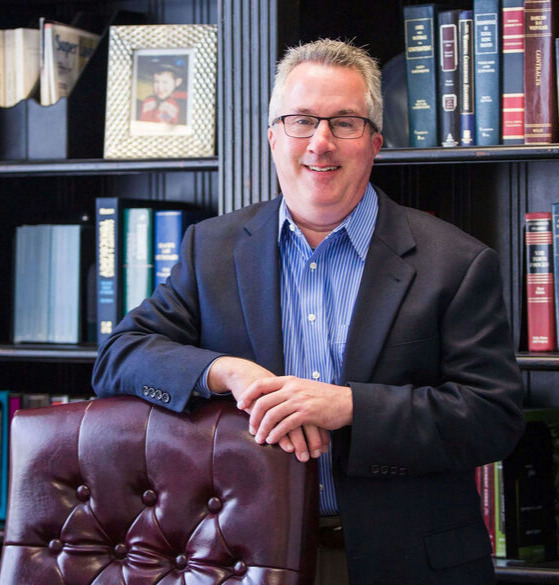
Attorney John Ghezzi has over 30 years of trial experience representing injured Texans. He is a member of the Million Dollar Advocates Forum and Multi-Million Dollar Advocates Forum. View full bio